Here’s our latest update on the mega projects, energy, tech, and transportation trends shaping our urban future.
You Should Know
- The largest private power grid has been approved. Last week, final state permits were granted for Project Matador in Amarillo, Texas. This 11-gigawatt “hypergrid,” led by Fermi America, will be powered by four nuclear reactors and natural gas to support large-scale data center demand.
- At the Mobile World Congress, NVIDIA and global telecom leaders, including T-Mobile, SoftBank, and Deutsche Telekom, jointly committed to building AI-native 6G networks designed to serve as the intelligent backbone of autonomous machines, physical AI, and the next era of global connectivity.
- The U.S. will add a record 34 GW of new utility-scale solar capacity in 2026, according to the U.S. Energy Information Administration, with solar projected to account for 51% of a record 86 GW of total new power generation capacity led largely by projects in Texas.
- Here’s a ranking of U.S. states by drinking water quality.
Worth Watching
- The skyscraper that ruined Paris.
- Why this micro-apartment is taking over American cities.
- Mumbai: the world’s most unequal city, explained.
Top Stories
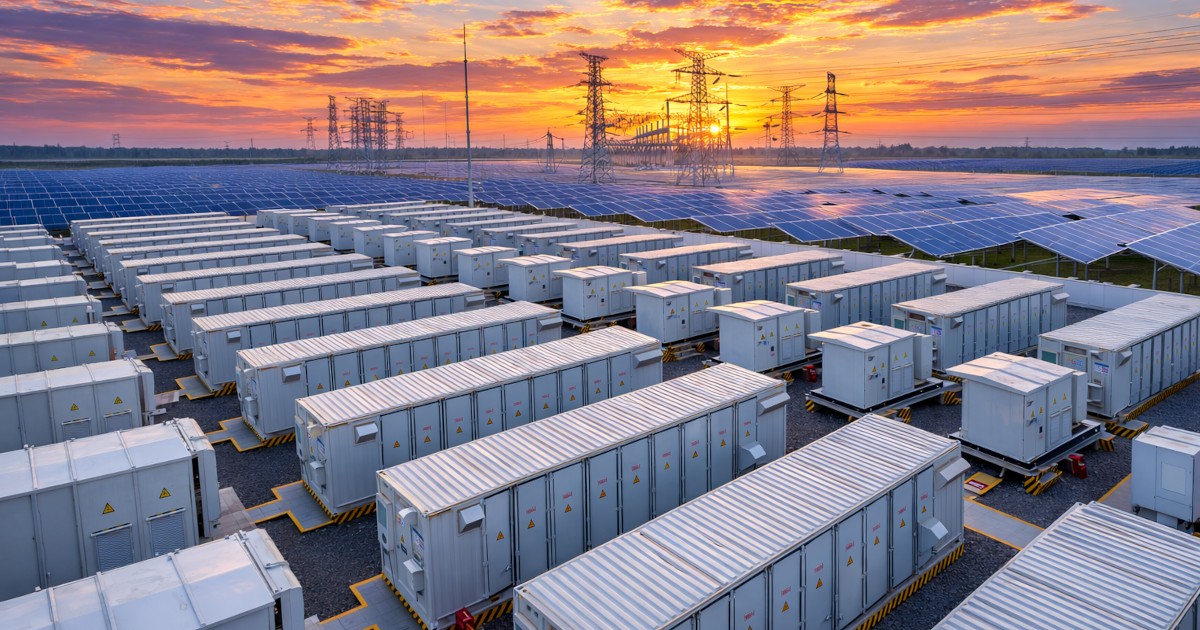
A Primer on the Energy Storage Gold Rush
Energy storage crossed a historic threshold last year. Global installations surpassed 100 gigawatts (GW) of new power output in a single year for the first time, with 106 GW added worldwide — a 43% year-over-year increase, according to research firm Wood Mackenzie.
By the end of 2025, total installed global storage capacity reached roughly 270 GW, representing about 630 gigawatt-hours (GWh) of stored electricity — just over two hours of average discharge duration. Global capacity is projected to exceed 1,500 GW by 2034.
China and the U.S. dominated this surge. China accounted for 54% of global installations in 2025, reinforcing its position as the world’s largest storage market.
In the U.S., developers installed a record 57.6 GWh of new stored electricity in 2025, according to the Solar Energy Industries Association, marking the largest single year of battery additions on record. Notably, two-thirds of new U.S. utility-scale projects were built in Republican-leaning states, and Texas is poised to overtake California as the largest state storage market.
Storage is increasingly viewed as critical grid infrastructure. It lowers consumer costs, enhances reliability, and reduces price volatility by storing electricity when demand is low and discharging it during peak hours. On an average day, U.S. grids use only about 50% of available capacity; batteries help capture that unused power and redeploy it during the 200–300 peak hours each year when demand spikes.
Battery Energy Storage Systems (BESS), primarily lithium iron phosphate, now dominate new installations. Most provide two to four hours of storage, though newer projects are extending to six to eight hours. While lithium-ion remains dominant, 2026 is expected to be a breakout year for sodium-ion, which uses abundant materials like salt to lower costs for stationary storage.
Pumped Storage Hydropower, long known as the “world’s water battery,” remains the heavyweight for long-duration storage, providing 10 to more than 100 hours of discharge. Thermal energy storage is also expanding, using molten salts or heated materials to store energy as heat.
Utility-scale projects — large, grid-connected battery installations serving entire regions rather than individual buildings — account for the majority of global deployments. Data centers have emerged as the second-largest growth driver.
Standalone battery storage accounts for the largest share of installed capacity, providing grid services like peak shaving and frequency regulation. Unlike hybrid solar/wind plus storage projects, these “merchant assets” operate independently, charging when prices are low and discharging near demand centers when the grid is stressed.
While market growth is expected to moderate in 2026, long-term momentum remains strong. Consulting firm Markets-and-Markets forecasts that the global BESS market will grow from $50.8 billion in 2025 to more than $106 billion by 2030, reflecting a CAGR of nearly 16% over that period.
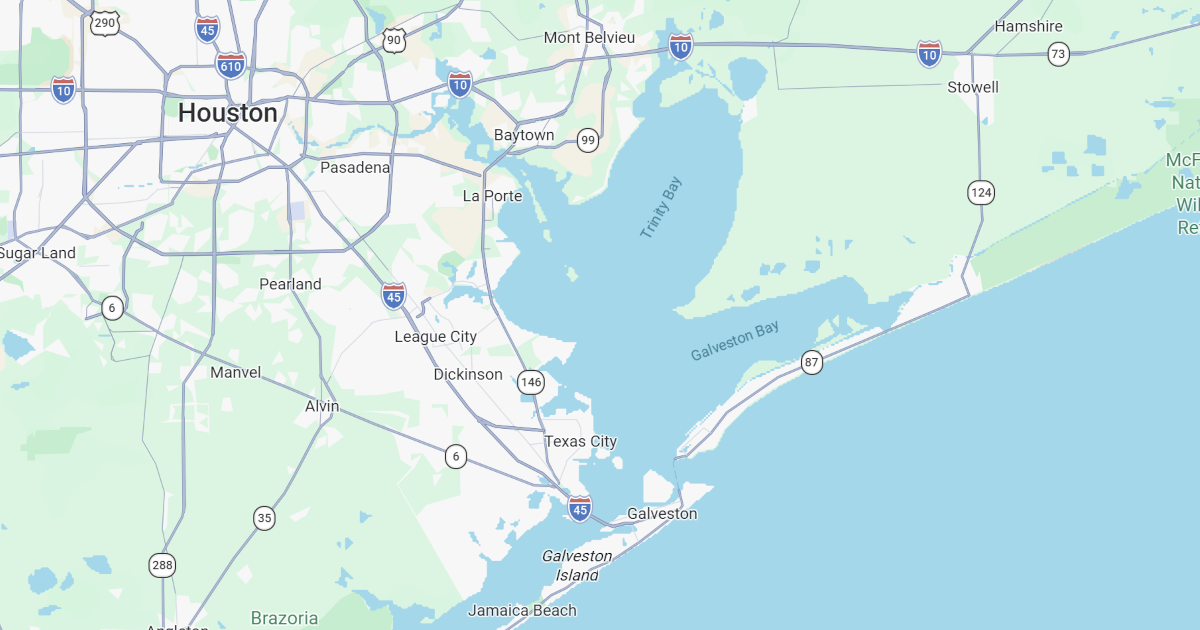
The Largest Coastal Protection Effort in U.S. History
The Coastal Texas Project is a $35 billion coastal storm-surge risk management and ecosystem restoration program built around a formidable engineering challenge: how do you prevent hurricane-driven water from surging into Texas’ Galveston Bay without shutting down one of the world’s most important industrial waterways?
The scale of what’s being protected is immense. The project is designed to safeguard more than six million residents in the Houston area and an estimated $800 billion in regional assets, along with energy and industrial operations that—if disrupted—would have national economic consequences.
The centerpiece of the Coastal Texas Project is the Galveston Bay Storm Surge Barrier System, often called the “Ike Dike,” which accounts for about 85% of the total program cost. Its largest single element is “The Gate”—the Bolivar Roads Gate System—an approximately two-mile-long closure structure spanning the narrow strait between Galveston Island and the Bolivar Peninsula.
The Gate’s design is operationally demanding: the system would remain open under normal conditions to preserve navigation and environmental flows, then close during tropical storm threats to limit surge entering the bay.
Jacobs was selected last week to lead engineering design for The Gate, with plans calling for advanced sector gates that reduce storm surge while allowing continued maritime traffic—a critical requirement, as the barrier must coexist with the Houston Ship Channel, a major energy corridor tied to the nation’s petrochemical and refining complex.
The Gate is not a stand-alone megastructure but part of a broader system. Gulf-facing defenses pair the gate with 43 miles of beach and dune segments along Bolivar Peninsula and West Galveston Island to form a more continuous line of protection. The plan also extends and integrates the historic Galveston Seawall—originally built after the 1900 hurricane—into a larger coastal spine.
Hard infrastructure is complemented by nature-based measures. The broader project includes more than 1,300 acres of marsh creation and habitat restoration, including oyster reef development, to strengthen living shorelines and offset impacts.
Authorized by Congress in 2022, the project is led by the U.S. Army Corps of Engineers, the Texas General Land Office, and the Gulf Coast Protection District, with costs shared 65% federally and 35% non-federally.
In total, the Coastal Texas Project comprises 18 individual projects and could take up to 20 years to complete—potentially extending into the 2040s as design, environmental review, and funding phases advance.
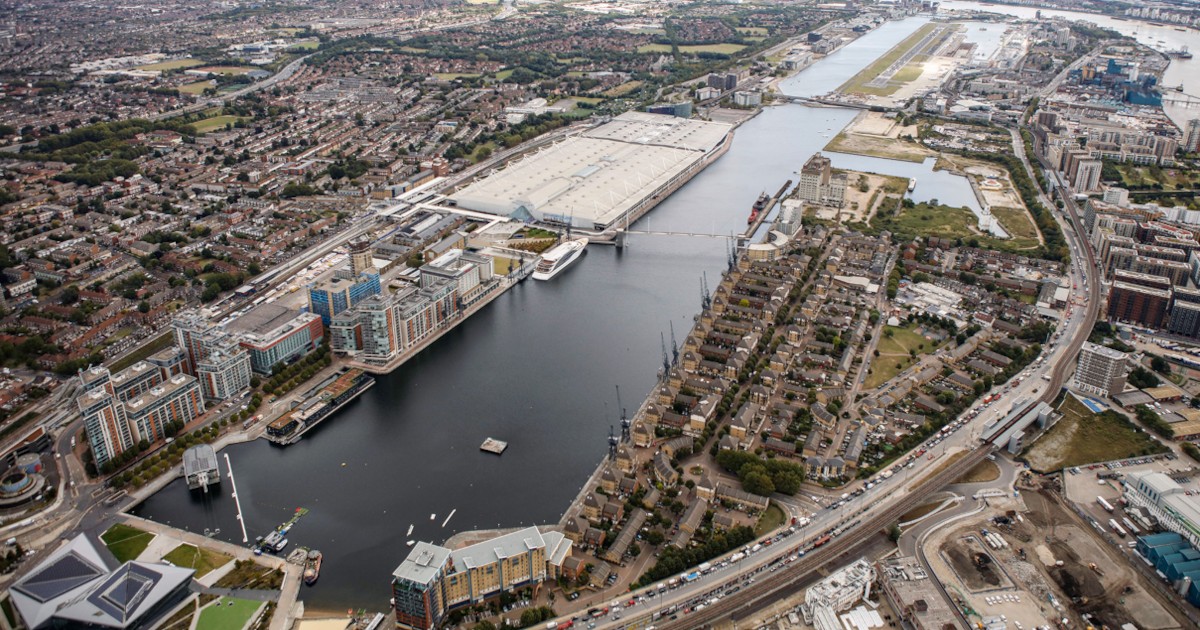
Royal Docks Regeneration Reshapes London’s Future
A £5 billion ($6.7 billion) 20-year regeneration program is transforming London’s Royal Docks into one of Europe’s most ambitious waterfront redevelopment projects.
Led by the Mayor of London in partnership with the Mayor of Newham and delivered through the Royal Docks Team, the initiative will reshape more than 1,200 acres of land and 250 acres of water in East London into a major commercial, residential, and cultural district. Spanning nearly 12 miles of waterfront, it is one of the capital’s largest redevelopment zones.
The program aims to deliver 36,000 new homes and 55,000 jobs, reinforcing the Royal Docks’ position as London’s only Enterprise Zone and a focal point for long-term urban growth.
Rather than a single landmark scheme, the regeneration operates as a coordinated framework combining land assembly, infrastructure investment, policy alignment, and commercial incentives. Approximately 450 acres at the heart of the docks are publicly owned, giving the Royal Docks Team — a joint partnership between the Mayor of London and the Mayor of Newham — significant control over how development proceeds. This level of public stewardship allows housing, commercial space, and infrastructure to be delivered in an integrated way rather than through fragmented projects.
Enterprise Zone status supports the planned delivery of seven million square feet of commercial space, attracts inward investment, and links job creation to a broader economic strategy.
The regeneration is underpinned by major infrastructure upgrades, including the Elizabeth Line at Custom House, the £1 billion Silvertown Tunnel, Docklands Light Railway improvements, and investment in London City Airport, strengthening regional and international connectivity.
Plans also prioritise community infrastructure, with proposals for affordable housing, schools, health facilities, parks, leisure space, cultural venues, and workspace for small and growing businesses.
Within this wider strategy, Royal Docks Waterways has unveiled a vision for the 12-hectare Royal Victoria Dock West. The proposal includes a large-scale floating park, floating wellness facilities, and residential moorings. Early phases are expected before 2030 and would increase publicly accessible open space in Newham by 5%, while supporting improvements to water quality, biodiversity, and climate resilience.
Together, the program represents the most significant transformation of the Royal Docks since commercial shipping ended in 1981, repositioning the area as a leading waterfront destination for business, housing, and public life.
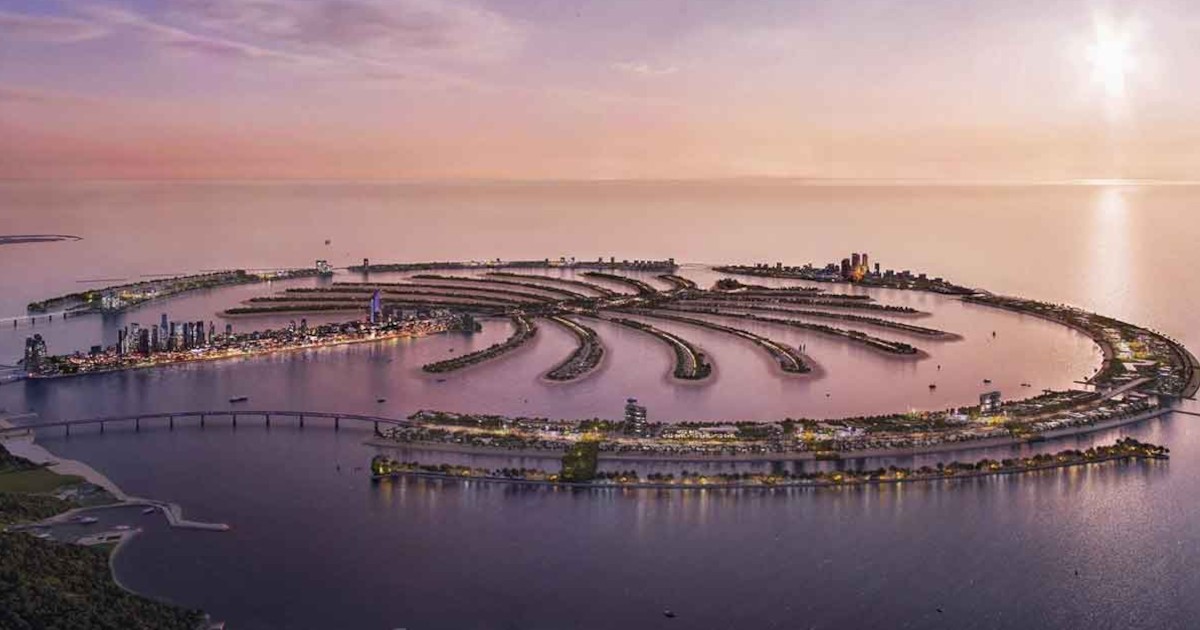
Palm Jebel Ali: Dubai’s Mega Islands Project
Rising from the waters of the Arabian Gulf, Palm Jebel Ali is a 13.4-square-kilometer artificial archipelago in Dubai, designed to become the world’s largest palm-shaped island and roughly twice the size of Palm Jumeirah.
Covering around 10.5 million square meters of planned development area, it ranks among the largest man-made island projects ever conceived and forms part of Dubai’s long-term urban expansion strategy.
Originally launched in October 2002, the project stalled following the 2008 global financial crisis before being officially relaunched in May 2023. Heavy construction resumed in 2024 under an updated master plan.
Conceived as a mixed-use coastal district, Palm Jebel Ali follows an iconic palm tree layout, with a central trunk connecting the island to the mainland and 16 to 17 fronds extending into the sea to create extensive waterfront plots. A crescent-shaped breakwater surrounds the development, shielding it from strong waves and reinforcing its distinctive form.
The project is led by Nakheel, part of state-owned Dubai Holdings, and is expected to add approximately 110 kilometers of new coastline to Dubai. Current plans include more than 80 hotels and resorts, six marinas, waterfront promenades, and leisure attractions such as a water theme park and a “Sea Village.” The island is designed to house 35,000 families, with 1,700 villas and 6,000 apartments planned in the current phase.
The archipelago is organized into distinct districts, including The Fronds, which feature exclusive villas; The Trunk, planned as an urban hub with apartments and shops; and areas known as The Spine, The Crown, and The Crescents, each offering different residential environments.
Engineering works at Palm Jebel Ali have centered on large-scale marine land reclamation and coastal protection. To create the island, sand was dredged from the seabed of the Arabian Gulf and hydraulically placed to form the palm-shaped landmass. The seabed was reshaped and material precisely deposited to construct the trunk, fronds, and crescent outlined in the master plan. The reclaimed sand was then stabilized and compacted to create a buildable platform capable of supporting infrastructure and buildings.
Notably, a third of the island’s public facilities are planned to be powered by renewable energy, reflecting sustainability targets embedded in the updated master plan.
Completion is currently targeted for 2028, with the first properties scheduled for delivery in the first quarter of 2027, positioning Palm Jebel Ali as one of the Middle East’s largest and most complex coastal developments.
Big Deals
- KPC Development Group plans $470M purchase of Los Angeles graffiti towers.
- European autonomous driving startup Wayve secures $1.5B.
- Stanley Martin will acquire United Homes Group for $221M.
- Atlas raises $3B for Latin America solar plus storage projects.
- TruAmerica closes $708M workforce housing investment fund.
- Affinius Capital-led group to acquire multifamily REIT Veris Residential for $3.4B.
- Ubicquia secures $106M to expand its AI infrastructure platform.
- Legal & General raises over £750M for affordable housing fund.
- Autonomous freight startup Einride obtains $113M PIPE financing.
- RXR secures $475M for NYC Financial District office-to-residential conversion.
Extra Reads
- NYC’s mayor pitched Trump on building the city’s biggest housing project in 50 years.
- Comparing Waymo, Zoox, and Tesla after 150+ rides.
- Amazon plans $12B Louisiana data center project.
- American Express will anchor the building of the final World Trade Center tower.
- Uber will absorb parking-app SpotHero to expand mobility offerings.
- Africa launches the Africa Infrastructure Financing Facility to fund continent-wide projects.
- Tesla’s Cybercab robotaxi aims for a roughly $30,000 price and a 2027 launch.
- Google’s 1.9 GW clean energy deal includes a giant 100-hour battery for data center.
- West Virginia secures a $4B private investment for its first AI/tech center.
- Waymo begins fully autonomous robotaxi rides in Dallas, Houston, San Antonio, and Orlando.
- Boralex commissions Ontario’s largest battery energy storage facility.
- China’s humanoid robot makers are outpacing U.S. rivals early.